States Become Traits
And culture calls them personality

TL;DR
We often mistake repeated adaptation for personality.
Under sustained pressure, organisational context can dominate what we actually see.
States that get practised long enough become the default response under pressure.
Culture then labels those defaults as “traits”.
Diagnosis is often the moment agency quietly returns.
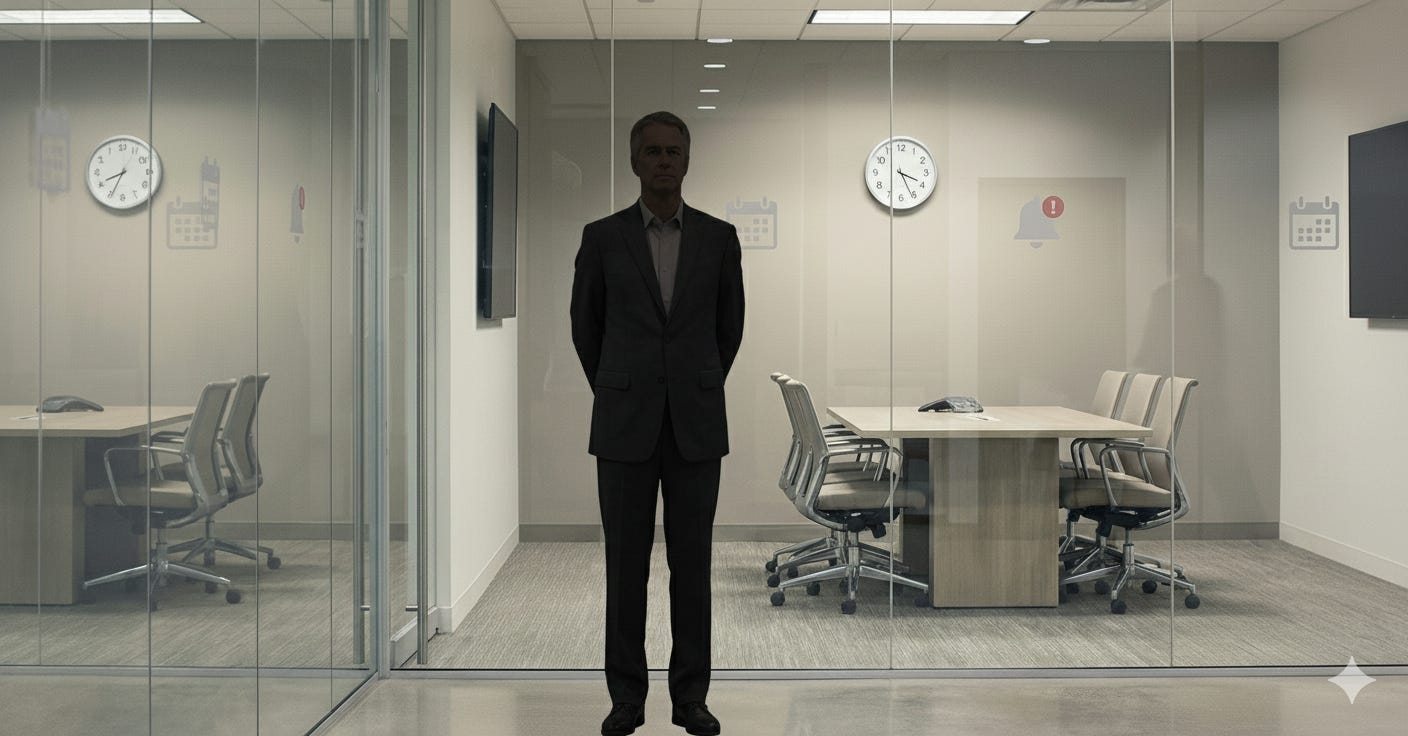
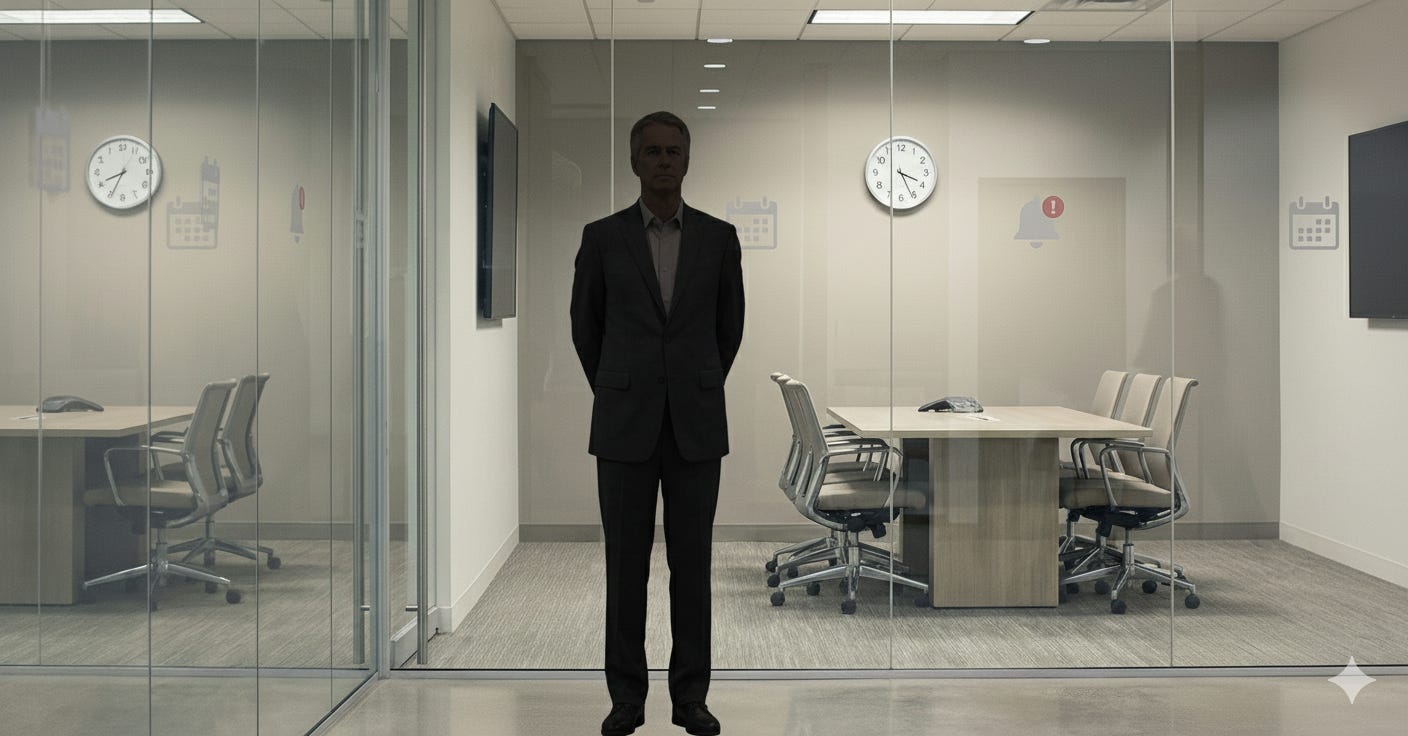
A lot of leadership problems get diagnosed at the wrong level.
We talk about traits.
Reactive.
Controlling.
Detail-obsessed.
Calm under pressure.
Those labels sound neutral.
They feel explanatory.
Most of the time, they’re just descriptions of what’s been run often enough to look permanent.
Personality still matters.
People bring different temperaments, thresholds, and histories into the room.
But under sustained conditions, context often dominates what we actually see.
What shows up as “who someone is” is frequently who they’ve had to become to function.
How states harden
No leader wakes up and decides to be reactive.
They adapt.
To pace.
To pressure.
To ambiguity.
To risk.
When those conditions are short-lived, the nervous system flexes and recovers.
When they’re chronic, adaptation turns into default.
Same pace.
Same pressure.
Same ambiguity.
Day after day.
Over time, behaviour becomes predictable.
And predictability gets talked about as personality.
Not because anyone claims traits are fixed.
But because the environment stops being questioned.
This is where temporary states harden.
Constant urgency trains vigilance into habit
Low psychological safety trains control into default
Chronic ambiguity trains over-preparation
No recovery trains narrowing into normal
At some point, the leader isn’t just under pressure.
They’re running a response that’s been practised long enough to feel automatic.
Variability doesn’t disappear, it rhymes
Put two leaders in the same system and you won’t get identical behaviour.
Temperament matters.
History matters.
Capacity matters.
But over time, even very different people start to rhyme with the conditions they live in.
The system doesn’t erase differences.
It constrains the range.
And what falls outside that range slowly stops showing up.
Why this gets misread
There’s a quiet bias at work here.
We notice behaviour more easily than context.
We label people faster than we redesign systems.
So when performance degrades, the explanation drifts toward disposition.
“They don’t handle pressure well.”
“They’re not very flexible.”
“They’re just wired that way.”
Trait language feels efficient.
It closes the loop.
System analysis does the opposite.
It opens uncomfortable questions about pace, threat, decision rights, recovery, and leadership signals.
Most organisations choose closure.
The downstream effect
This doesn’t stay contained.
Leaders absorb the system’s emotional state.
Teams absorb the leader’s.
Vigilance transfers.
Narrowing transfers.
Control transfers.
What looks like a culture problem often starts as a nervous system problem that’s been normalised.
By the time it shows up in engagement scores or attrition data, the state has already been practised thousands of times.
In many cases, culture didn’t “shift”.
It calcified.
Where agency still lives
Seeing this clearly isn’t a sentence.
It’s a fork.
Once you can see the script, you have options.
You can change the conditions that keep rehearsing it.
Pace.
Safety.
Decision clarity.
Recovery.
Or, where the system is slow to move, you can deliberately practise a different response.
Neither is easy, which is exactly why both matter.
A more useful question
When behaviour frustrates you, the question isn’t:
Why is this person like this?
It’s:
What state does this system keep producing, and rewarding?
Because states that get rehearsed
become the default script people run under pressure.
And once that script is stable,
culture starts calling it character.
No frameworks here.
No solutions packaged as slogans.
Just a cleaner diagnosis.
And for high performers especially, diagnosis is often the moment agency quietly returns.
So the immediate question becomes:
What has your current environment been rehearsing into you?